Carry Your Rifle. Move How You Need To.
A sling isn't just for carrying your rifle when it's not in your hands — it decides how fast you can bring it back up, how stable it stays under movement, and how easily you can transition to a sidearm or use both hands for something else. Two fundamentally different sling types cover two different needs.
-
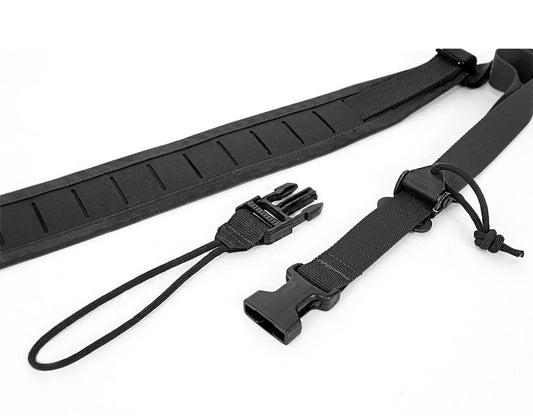
Warrior Assault Rapid 2-Point Rifle Sling | Black
Regular price R 1,750.00Regular priceUnit price per -
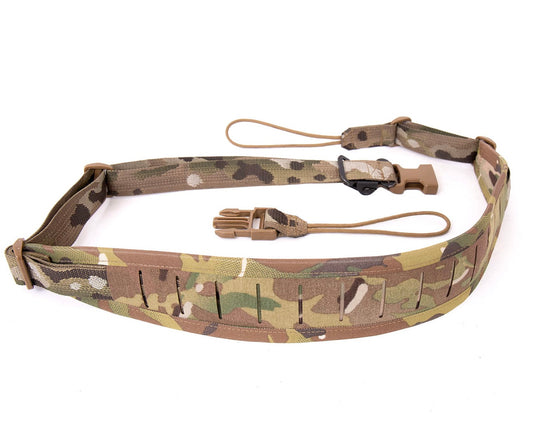
Warrior Assault Rapid 2-Point Rifle Sling | MultiCam
Regular price R 1,750.00Regular priceUnit price per -
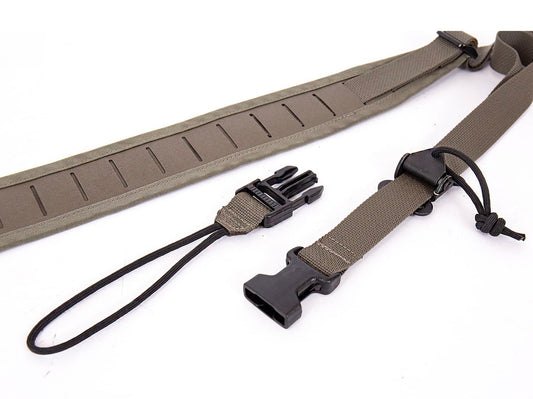
Warrior Assault Rapid 2-Point Rifle Sling | Ranger Green
Regular price R 1,750.00Regular priceUnit price per -
Warrior Assault Single Point Bungee Sling | Black
Regular price R 1,195.00Regular priceUnit price per -
Warrior Assault Single Point Bungee Sling | MultiCam
Regular price R 1,195.00Regular priceUnit price per -
Warrior Assault Single Point Bungee Sling | Coyote Tan
Regular price R 1,195.00Regular priceUnit price per